NASA announced plans to mark Voyager 1reaching roughly one light-day from Earth on November 18, nearly fivedecades after launch.
A distance that is hard toimagine
Voyager 1 launched in 1977 and is now the most distanthuman-made object. NASA says that by November 18, 2026, the spacecraftwill have traveled more than 16 billion miles, or about 25.9 billionkilometers, from Earth. At that separation, a radio signal moving atthe speed of light takes about 24 hours to travel one way.
NASAinvites the public to participate
NASA plans a symbolic globallight event on November 17, inviting people to use a phone or tabletto flash the spacecraft’s call sign in Morse code after sunset. Thespace agency has also announced a November 19 discussion hosted by theJet Propulsion Laboratory about the continuing mission and theengineering challenge of operating decades-old hardware.
WhyVoyager still matters
The spacecraft helped transformunderstanding of the outer planets during its early mission and latercrossed into interstellar space in 2012. Instruments still providescientists with unusual observations of the environment beyond theSun’s protective heliosphere.
A milestone, not anarrival
One light-day measures signal travel time, not adestination in space. The milestone underlines how far the spacecrafthas traveled and why communication delays shape every decision made bymission controllers.
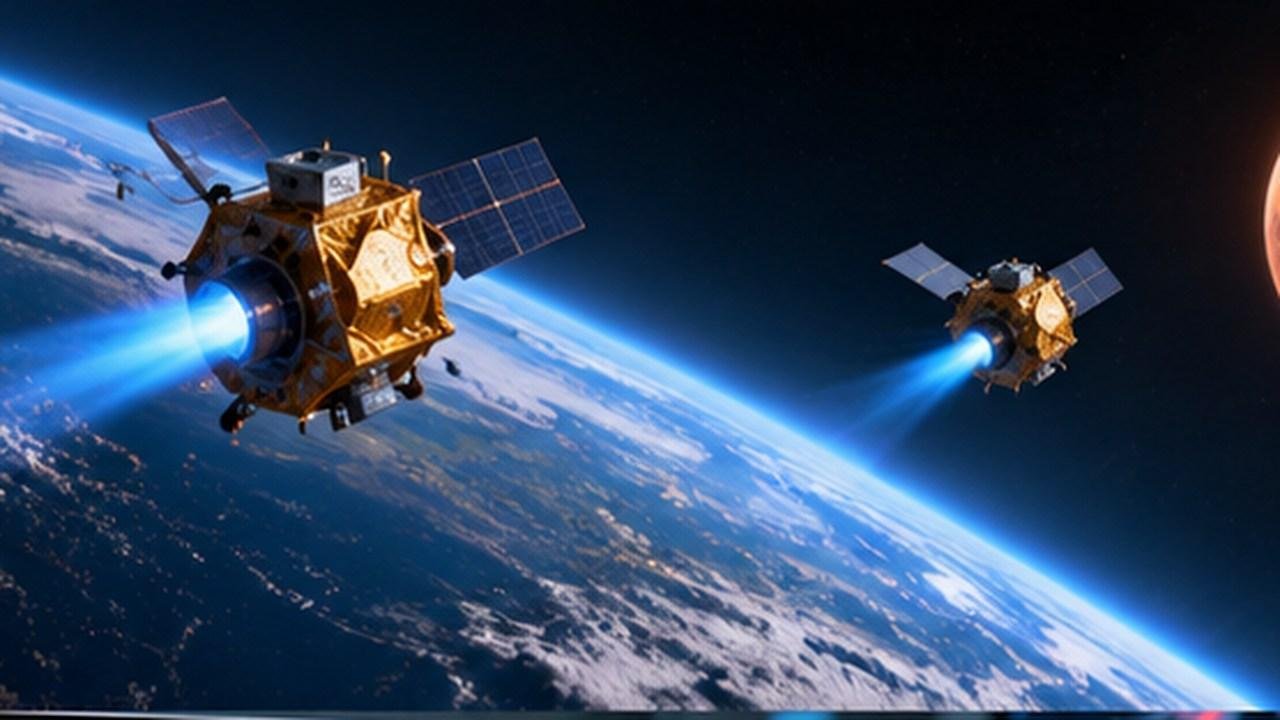
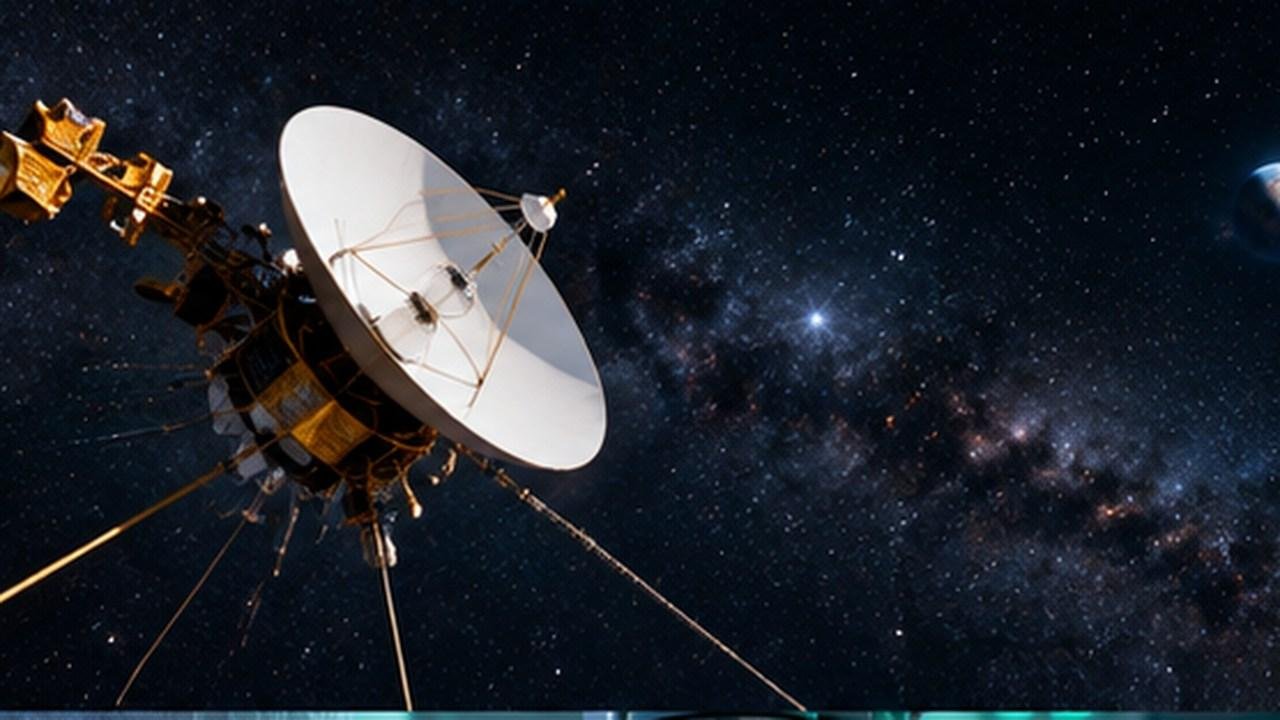
Featured visual is an AI-generatedSMONE editorial illustration, not a documentaryphoto.
Source
Readthe original report.
Sources:

Leave a comment
Your email address will not be published. Required fields are marked *